
Here is the complete, professionally written blog article for “Tradition Meets Modernity: The Evolution of the Qanun in Contemporary Music”.
This article is designed with a clean, scannable structure using your formatting toolkit (##, ###, bold phrases, and blockquotes) so it can be easily copied and pasted directly into your Elementor blog layout.
Tradition Meets Modernity: The Evolution of the Qanun in Contemporary Music
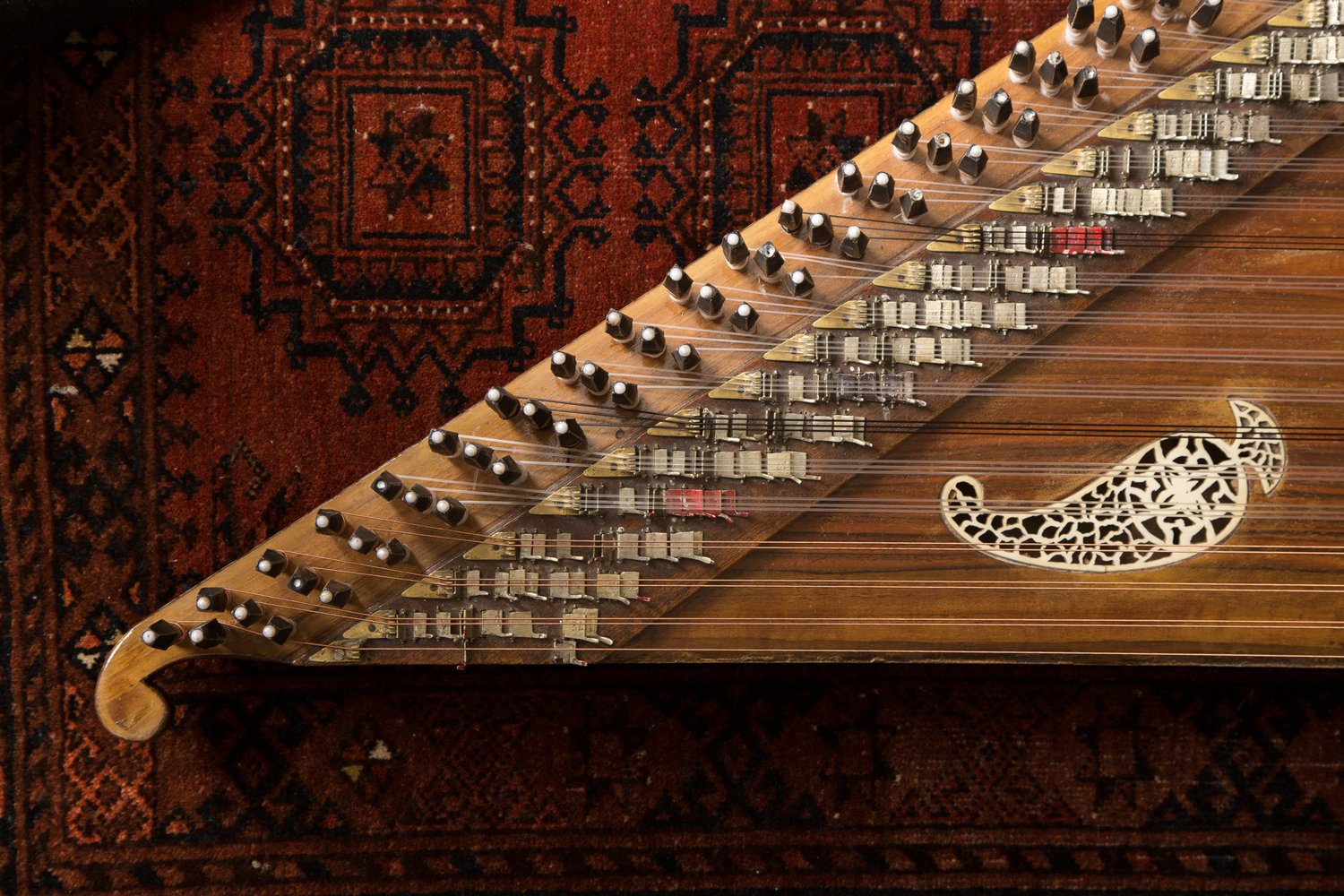
For centuries, the qanun has stood as the majestic centerpiece of the traditional Arabic Takht (ensemble). With its intricate forest of strings and delicate levers (mandals), this ancient instrument has long been the guardian of classical maqam systems. However, music is a living, breathing entity. Today, a new generation of musicians is proving that the qanun is not just a relic of historical heritage, but a powerful, versatile voice in the contemporary global music scene.
At the forefront of this sonic revolution is Tunisian qanun virtuoso, composer, and educator Hana Boukhris. With over seventeen years on the international stage, her career offers a masterclass in how an ancient instrument can gracefully bridge the gap between classical roots and modern acoustic landscapes.
Breaking the Boundaries of Solo Composition
Historically, the qanun functioned primarily within a collective orchestra or as an accompaniment to traditional vocalists. Transitioning it into a true contemporary solo instrument requires a delicate balance of deep cultural reverence and daring structural experimentation.
When composing modern music for an instrument so deeply rooted in heritage, the challenge lies in pushing the boundaries without losing the instrument’s authentic soul. Hana Boukhris’ 2021 debut studio album, MY MUSE (ملهمتي), serves as a definitive blueprint for this balance.
“My Muse combines high technical mastery with a fresh, contemporary interpretation. It reimagines the qanun not just as an accompaniment, but as a leading storyteller capable of expressing complex, modern emotional landscapes.”
Tracks like Daydreaming and Dancing Soul demonstrate how solo qanun compositions can step outside traditional structures, incorporating modern rhythmic pacing and atmospheric depths while remaining deeply anchored in classical Arabic traditions.
The Power of Cross-Cultural Collaborations
One of the most exciting aspects of the qanun’s modern evolution is its sudden fluidity across genres. It is no longer isolated within Middle Eastern and North African concert halls. Today, the qanun dialogues with Western classical orchestras, jazz ensembles, and electronic fusion projects.
Hana’s extensive career highlights the impact of these cross-cultural musical conversations:
-
The Firdaus Orchestra (Dubai): Collaborating with this world-class ensemble allowed the qanun to weave its traditional microtonal inflections into grand, cinematic orchestral arrangements.
-
The Barcelona Arab Orchestra (Spain): This partnership pushed the instrument into global fusion territory, blending Mediterranean acoustic textures with contemporary European musical currents.
-
Global Virtuosity: From performing at the historical Carthage Theater in Tunisia to Koerner Hall in Canada and Pierre Boulez Hall in Germany, the qanun has proven that its emotional resonance is universally understood, regardless of cultural boundaries.
Redefining the Repertoire: From Fairuz to High-Tempo Folk
Modernizing an instrument also means daring to reinvent the existing repertoire. This involves taking timeless vocal masterpieces and translating their emotional weight into purely instrumental narratives, or taking fast-paced regional folk music and adapting it to unprecedented technical speeds.
A perfect example of this dual approach can be seen in Hana’s popular contemporary performance clips:
-
Revisiting the Classics: In her instrumental cover of Fairuz’s iconic “Nahna Wa Al Qamar Jiran”, the vocal geometry of a Levantine masterpiece is seamlessly translated onto the qanun strings, breathing new life into a melody embedded in collective Arab memory.
-
Defying Technical Limits: Conversely, her high-speed interpretation of the traditional Caucasian dance “Lezginka” showcases the raw, athletic virtuosity of the instrument. Pushing the performance tempo to a blazing 200 BPM, she transforms a traditional folk melody into a high-energy, modern technical showcase.
Preserving the Legacy Through Modern Education
The evolution of an instrument cannot rely on performance alone; it requires sustainable transmission. As a former educator at the National Conservatory of Music and Dance in Tunisia, and through her masterclasses at international festivals like the International Qanun Festival in Meknes, Morocco, Hana ensures the legacy continues.
Today, the internet has completely decentralized musical education. Through high-level, private one-to-one online qanun lessons, intermediate and advanced students from Europe, North America, and the Middle East can study technique refinement and repertoire development in real time, preserving classical traditions through modern digital infrastructure.
Conclusion: The Timeless Future of the Qanun
The qanun is no longer bound by the strict confines of history. It is evolving, adapting, and thriving. By balancing technical precision with personal artistic voices, contemporary artists are ensuring that the qanun remains a vibrant, necessary instrument on the world stage.